|

Cross-Cultural Training for Japanese
The differences between Japanese and European business culture and work style are significant, and can prove challenging for Japanese who are working in Europe. Companies can help Japanese expatriates increase their effectiveness by providing them with training that enables them to better understand the European environment.
All our training programmes for Japanese are presented in Japanese, with bilingual participant materials. Our unique training sessions, the result of intensive development work over the past decade, present information about European culture and business practices in a way that resonates with Japanese audiences.
Working Effectively with European Colleagues
Our basic session for Japanese who are working in Europe, this session uses case studies to present some of the key differences in business culture: communication style, feedback, leadership style, and human resource practices. Throughout the session, participants are coached on how to increase the quality and quantity of their interactions with European colleagues, suppliers, and customers.
Managing in Europe: Performance Evaluation and Feedback
Performance evaluation and feedback are two of the most important items in a European manager's toolkit. Yet in Japan, these have not traditionally been emphasised. Japanese who are in management positions in Europe can benefit from strengthening their skills in these areas. This session uses practice exercises and role playing to help participants increase their confidence giving substantive feedback to subordinates and conducting performance evaluations.
Preventing Sexual Harassment and Discrimination
This seminar is designed to familiarise participants with the social and legal environment affecting business in Europe. It describes key issues that participants need to be aware of, within in a cultural context. This session will raise participants' awareness of sexual harassment and discrimination so that they can react sensitively and appropriately when issues arise in the workplace, and be aware of when assistance is required from the human resource department.
Techniques for Retaining European Employees
In Japan, retention is not a major concern, since most employees stay with the same company throughout their career. Yet, in Europe's increasingly fluid labour market, retention must become a high priority if the company desires a stable, high-quality workforce. This session introduces Japanese managers to the workings of the European labour market, the dangers of high turnover, how Europeans decide whether or not to leave a job, and techniques for increasing employee retention.
Fundamentals of Human Resource Management in Europe
Virtually every aspect of human resource management practice is different between Japan and Europe. Designed for all Japanese who hold management or supervisory positions, this course introduces the key concepts of human resource management as practiced in Europe: job descriptions, market-based compensation, salary structures, and techniques for building a strong corporate culture.
Effective Meetings in Europe
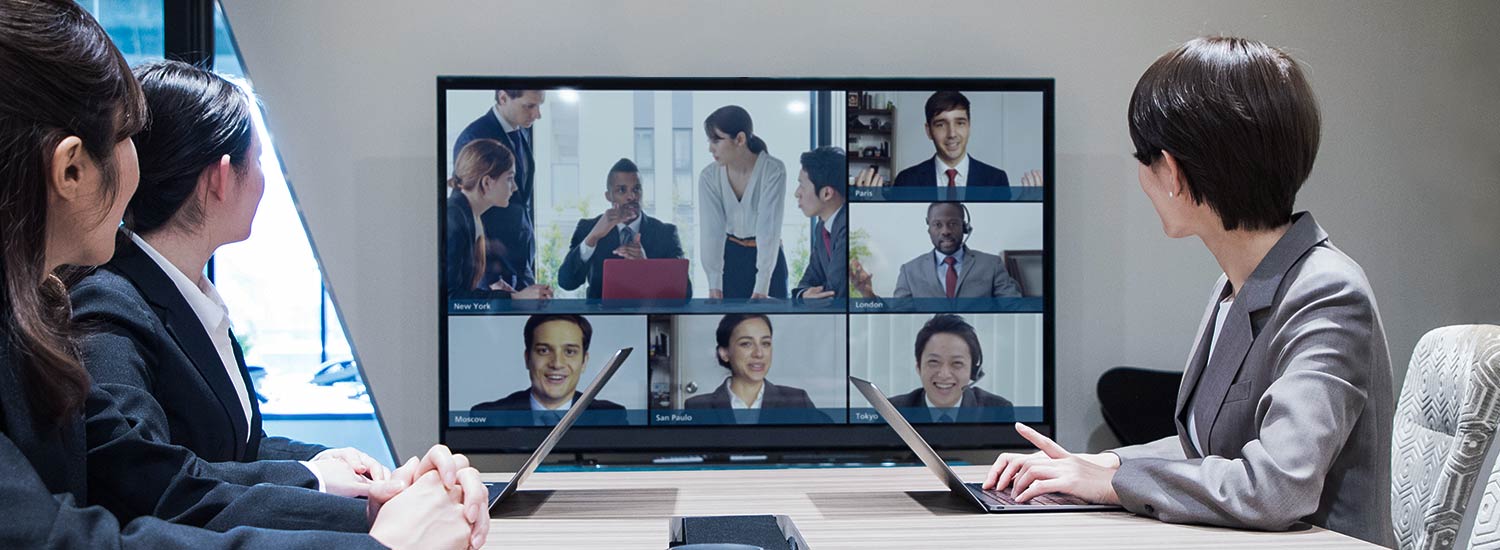
For many Japanese, participating in a meeting in English is quite challenging. In addition to the language barrier, the basic idea of what a meeting is for and how it should be conducted are quite different between Japan and Europe. This seminar is designed to help Japanese participate more effectively in meetings with Europeans. The participants are taught how to utilise brainstorming, present their opinions persuasively, speak up when they have lost the thread of the conversation, and clarify a meeting's conclusions.
Effective Communication in Manufacturing and Technical Environments
Japanese technical personnel who are sent to Europe for short term or long term stays have much to share with their locally-hired colleagues. Unfortunately, the language barrier and cultural differences can get in the way of effective communication and technology transfer. This seminar is designed to teach Japanese technical personnel practical English that they can use on the manufacturing floor and other technical environments, including techniques for teaching and giving direction to European colleagues. Exercises during the session help ensure that the learnings will be retained and can be applied immediately. The session also covers key information about European culture that Japanese technical personnel need to know in order to develop good working relationships with their European colleagues.
Successful Manufacturing Management in Europe
The basics of good manufacturing practice are the same throughout the world. However, Japanese who come to Europe to work in manufacturing facilities here are often puzzled by the different attitudes and customs of European workers. This seminar will explore how such cultural differences can be addressed in order to create a high-performing manufacturing facility in the European environment.
Managing European Engineers
Engineers are a key group in any company engaged in high tech or manufacturing activities. In order to ensure effective technology transfer, it is important that European engineers feel comfortable with their work environment and relations with Japanese colleagues. This course is designed to give Japanese managers insight into the mindset of European engineers, which tends to be quite different from Japanese engineers in many key respects. Armed with this knowledge, Japanese managers can work to achieve improvement in the retention, job satisfaction, and productivity of their European engineers.
Orientation for New Arrivals, focusing on Lifestyle and Cultural Adjustment
Being comfortable living in Europe greatly impacts how successful an employee will be at work. This course is designed for expatriates who have recently arrived in Europe, and gives them information that will help them make a smooth transition. In addition to focusing on how to get off to a good start in the workplace, this session also discusses issues outside of work including school and community interactions. A module on culture shock and stress management is designed to help prevent severe transition difficulties that could have a negative impact on work activities.
Orientation for Spouses
Japanese spouses are frequently overlooked when companies are planning cross-cultural training, but in order to ensure that the family makes a good transition to life in Europe, training for this group is important. This session focuses on issues relating to schools, lifestyle, handling emergency situations, and interactions with neighbours and the community. Spouses can particularly benefit from this kind of training because their involvement in their children's education and maintaining the health and safety of all family members requires that they quickly become acclimatised to the new environment.
|